The Copper Wire Guide: Types, Value, and Scrap Recycling
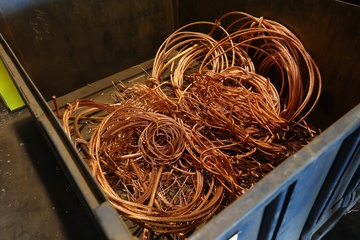
Copper wire is one of the most common and valuable scrap metals brought into recycling facilities, yet it is also one of the most misunderstood. Many loads look similar at first glance but are classified very differently once inspected. The type of copper wire, its condition, and the presence of insulation or coatings all directly affect how it is graded and priced.
This guide breaks down the most common types of copper wire, how scrap yards evaluate them, and what actually matters if you want to avoid leaving value on the table.
At a Glance
-
Copper wire value depends on classification, not guesswork.
-
Clean, consistent loads tend to grade higher.
-
Stripping wire is not always worth it, especially for thin wire.
-
If you are not sure what you have, bring it in and we can help sort it.
Why Copper Wire Is Valuable for Scrap Recycling
Copper has one of the highest electrical conductivity ratings of all non-precious metals, which is why it has been used in electrical wiring, motors, and electronics for more than a century. As infrastructure, technology, and electrification continue to expand, copper remains in high demand for reuse and recycling.
Because recycled copper can be processed and reused without losing performance, scrap copper wire plays a critical role in meeting ongoing industrial and construction needs.
Common Types of Copper Wire You Can Scrap
Not all copper wire is the same. Scrap yards classify wire based on purity, thickness, coatings, and insulation. The most common categories include:
|
Type
|
What it looks like
|
Why it matters
|
|
Bare Bright
|
Clean, shiny copper with no insulation, paint, or coatings
|
Highest grade because it needs the least processing
|
|
#1 Copper Wire
|
Clean copper with light oxidation or surface wear
|
High value, but not “perfect” like bare bright
|
|
#2 Copper Wire
|
Thinner wire, heavier oxidation, tinning, solder, or minor contamination
|
Lower grade due to additional processing and inconsistency
|
|
Insulated Copper Wire
|
Copper core covered in plastic or rubber insulation
|
Value depends on copper recovery percentage and load consistency
|
Quick tip: Mixed loads are a common reason wire gets downgraded. If you have multiple types, keep them separated.
Items That Commonly Contain Copper Wire
-
Electronics: computers, TVs, phones, printers
-
Large appliances: washers, dryers, dishwashers, refrigerators
-
Small appliances: microwaves, coffee makers, blenders
-
Jobsite material: leftover wire, cutoffs, old cable, removed equipment
What Affects the Value of Copper Wire Scrap
The value of copper wire is determined less by appearance and more by consistency and condition. Scrap yards evaluate thickness, cleanliness, insulation, contamination, and how uniform the load is overall. Mixed materials, steel attachments, or excessive coatings can result in downgrades.
Bring this
-
Wire sorted by type (if possible)
-
Clean loads with minimal attachments
-
Consistent bundles (same kind of wire together)
Avoid this
-
Steel connectors mixed into wire
-
Trash, tape, or random metal mixed in
-
“Everything in one bin” loads when you have time to separate it
Market prices fluctuate, but proper classification matters more than short-term price swings. Understanding what category your copper wire falls into helps set realistic expectations before arriving at the scale.
Get Current Copper Wire Pricing
Should You Strip Copper Wire Before Recycling?
Stripping copper wire does not always increase its value. In some cases, removing insulation from thick, high-quality wire can improve classification. In many others, stripping thin or low-recovery wire wastes time with little to no financial benefit.
The decision depends on wire gauge, volume, tools available, and copper recovery percentage. When in doubt, a reputable scrap yard can evaluate the material as-is and explain the best option.
Recycling Copper Wire Scrap
Not every recycling facility accepts all types of copper wire, but Metalico accepts a wide range of copper wire scrap, including insulated wire and clean stripped copper. If you are unsure what type of copper wire you have or are dealing with a mixed or oversized load, our team can help sort and classify it accurately.
For larger quantities, container services are available to make transportation and handling easier for contractors and businesses.
Contact Metalico for Copper Wire Scrap Recycling
Metalico works with homeowners, contractors, and industrial partners across Western New York to recycle copper wire efficiently and responsibly. With locations in Buffalo, Niagara Falls, and Lackawanna, we make it easy to bring in copper wire scrap and get clear answers on grading and pricing.
If you have questions about copper wire recycling or want current pricing information, contact us today.
Contact Us Now